
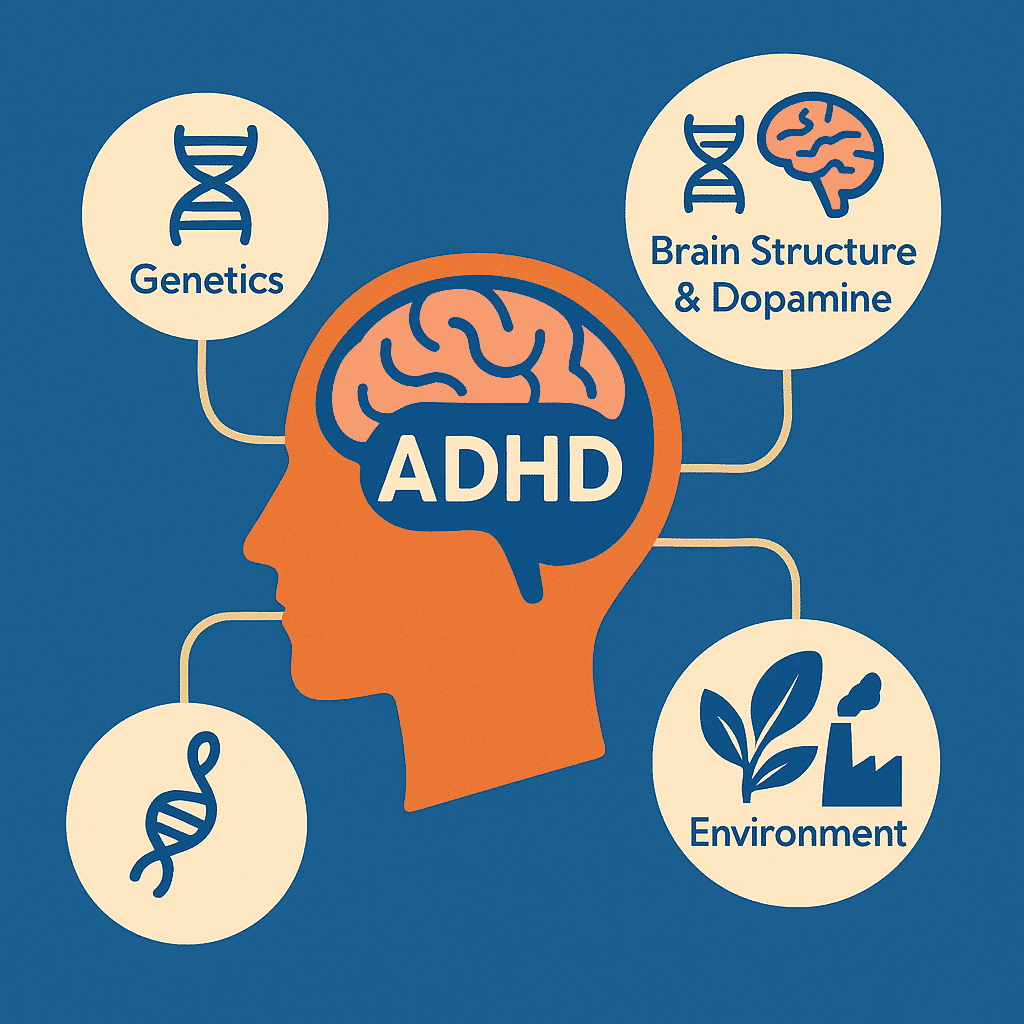
The Role of Experts in Supporting ADHD Development
Raising and educating a child with ADHD requires more than patience—it requires expertise. While parents and teachers play a vital role, professionals bring specialized knowledge and tools that can significantly improve a child’s development and quality of life.
Why Expert Support Matters
ADHD is a complex neurodevelopmental condition that affects attention, behavior, and emotions. Without proper support, children may struggle academically, socially, and emotionally. Experts help identify specific challenges and create personalized strategies that address each child’s unique needs.
Types of ADHD Specialists
Several professionals contribute to ADHD care:
- Pediatricians: Diagnose ADHD and monitor overall health
- Psychologists: Provide behavioral therapy and emotional support
- Psychiatrists: Prescribe and manage medication when necessary
- Occupational therapists: Help with sensory and functional skills
- Educational specialists: Support learning strategies and school adjustments
Each expert plays a role in creating a comprehensive support system.
Early Diagnosis and Intervention
Early identification of ADHD is crucial. The sooner a child receives support, the better their long-term outcomes. Experts use standardized assessments, behavioral observations, and parent/teacher reports to diagnose ADHD accurately.
Early intervention can improve attention, reduce behavioral issues, and support emotional development.
Personalized Treatment Plans
No two children with ADHD are the same. Experts develop individualized treatment plans that may include:
- Behavioral therapy
- Cognitive training
- Parent coaching
- School accommodations
- Medication (if required)
Research shows that targeted psychosocial interventions can improve emotional symptoms, reduce aggression, and enhance overall functioning in children with ADHD.
Supporting Families and Schools
Experts don’t just work with children—they also guide parents and educators. They provide strategies for managing behavior, improving communication, and creating supportive environments.
This collaborative approach ensures consistency across home and school, which is essential for progress.
Monitoring Progress Over Time
ADHD is not a condition that disappears overnight. It requires ongoing support and monitoring. Experts track progress, adjust treatment plans, and address new challenges as the child grows.
Regular follow-ups help ensure that interventions remain effective and relevant.
Accessing Professional Services
Access to reliable professional services is key. Organizations like Seed Medical HK provide comprehensive ADHD care, including assessments, therapy, and family support programs.
Such centers offer a structured and evidence-based approach, helping children reach their full potential.
Breaking Misconceptions
Many people believe ADHD can be managed with discipline alone. This is a misconception. ADHD requires a combination of medical, psychological, and educational support.
Experts help families understand the condition better, reducing stigma and promoting effective management.
Long-Term Benefits of Expert Support
With the right professional guidance, children with ADHD can:
- Improve focus and academic performance
- Develop better emotional regulation
- Build stronger relationships
- Increase self-confidence
Expert support empowers children to navigate challenges and succeed in different areas of life.
Conclusion
Experts play a crucial role in supporting ADHD development. Their knowledge, tools, and guidance provide children and families with the resources they need to thrive. Investing in professional support is not just helpful—it is essential for long-term success.
You may also like



Leave a Reply