
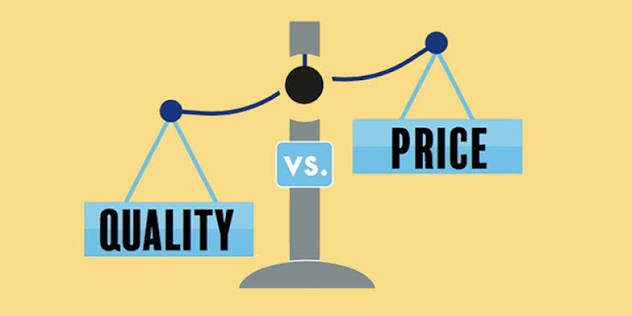
Poor Product Pricing – Compare Competitors and Customer Value
Poor product pricing can hurt a store in two directions. Prices set too high may reduce demand, while prices set too low can weaken margins and make shoppers question quality. Better pricing starts by understanding competitor ranges, customer expectations, product differentiation, and the real economics behind each sale.
Compare Similar Offers, Not Just Similar Products
Competitor research is useful only when the comparison is fair. Two products that look similar may include different warranties, materials, accessories, delivery terms, support, or return policies.
Build a comparison around the complete offer. Record competitor prices, shipping charges, package sizes, promotions, guarantees, and meaningful product differences. General margin planning resources can sit alongside this work, but the first task is understanding what buyers are actually comparing on the screen.
Watch the Final Checkout Price
A cheaper advertised price may become more expensive after shipping or add-ons. Compare the amount customers are likely to pay, not only the number displayed on the product page.
Price Around Customer Value
Customers don’t evaluate price in isolation. They compare what they receive with what they give up. Better durability, easier installation, stronger support, faster delivery, or a useful bundle can justify a higher price for some buyers.
Clear value positioning ideas can support this process because stores need to communicate why an offer is different rather than assuming shoppers will discover the difference themselves.
| Pricing Factor | Question to Ask | Possible Effect |
|---|---|---|
| Competitor range | What do alternatives cost? | Sets expectations |
| Product quality | Is the difference visible? | Supports premium pricing |
| Shipping | What is the final cost? | Changes price perception |
| Margin | What remains after costs? | Limits discount flexibility |
Know Your Discount Limits
Discounting can stimulate demand, but it can also train shoppers to wait. Stores that run constant promotions may struggle to sell at regular prices because customers begin treating the discount as the real price.
Before launching a promotion, understand product cost, payment fees, fulfillment expenses, returns, advertising costs, and other variable expenses. Looking at pricing margin analysis in parallel can reinforce the difference between generating revenue and generating healthy contribution from each order.
Test Pricing Without Changing Everything
Pricing decisions don’t need to be permanent. Stores can test bundles, quantity discounts, free-shipping thresholds, premium versions, or revised packaging before making broad changes.
Change one meaningful variable at a time when possible. If you simultaneously change price, page design, advertising, and shipping terms, it becomes difficult to understand what affected customer behavior.
Common Pricing Mistakes That Distort Decisions
Copying the cheapest competitor is one of the easiest ways to create pricing problems. The lowest-priced seller may have different costs, supplier terms, business goals, or service levels.
Another mistake is increasing prices without strengthening the product presentation. Customers need enough information to understand why a product deserves its price. Weak photos, vague descriptions, hidden shipping charges, and unclear guarantees can make a reasonable price appear expensive because the perceived value is incomplete.
Frequently Asked Questions
How often should ecommerce prices be reviewed?
Review frequency depends on supplier costs, competition, seasonality, demand, and margins. Fast-moving categories may need more frequent checks than stable products with predictable costs.
Should I always match a competitor’s lower price?
No. Compare the entire offer first. Differences in product quality, delivery, customer service, bundles, warranty terms, or brand positioning may justify different pricing.
Can higher prices increase customer trust?
Sometimes. Extremely low pricing may create doubts about quality in certain categories, but a higher price works only when the product presentation and customer value support it.
Make Every Price Explainable
A good price should make sense to both the customer and the business. Compare true alternatives, understand your costs, identify the value customers receive, and test changes carefully. Competing solely on being cheapest leaves little room when costs rise. Stronger pricing gives customers a clear reason to buy while protecting the economics needed to keep serving them.
You may also like



Leave a Reply