

Written by [email protected] on September 27, 2026
Poor Digital Security – Protect Accounts With Stronger Passwords
Poor digital security often begins with ordinary habits: reusing passwords, choosing predictable phrases, ignoring software updates, or approving unexpected login requests too quickly. Improving account security doesn’t require becoming a cybersecurity specialist. Start by making every important password unique, strengthening login protection, and reducing the number of opportunities an attacker has to reuse stolen credentials.

Written by [email protected] on September 26, 2026
Trade Secret Leaks – Restrict Access Before Information Spreads
A trade secret leak can become harder to contain with every forwarded file, copied folder, shared credential, or external message. Trade secret leaks therefore require attention to both the information itself and the controls surrounding it. Restricting unnecessary access early can help limit further disclosure while the organization determines what happened. Identify What Information Is

Written by [email protected] on September 26, 2026
Tax Lien Problems – Resolve Balances Before Property Transactions
A tax problem rarely improves when the first response is rushed. U.S. taxpayers dealing with a federal or state tax lien should identify the tax period, deadline, and strongest supporting records first. Different providers serve different roles, so the right choice may be software, a tax preparer, a payroll platform, an enrolled agent, a tax-resolution

Written by [email protected] on September 26, 2026
Poor Daily Execution – Set Three Important Priorities First
Poor daily execution often happens even when employees are busy all day. Messages, meetings, small requests, urgent interruptions, and routine administration can consume working hours without moving the most important work forward. Choosing three meaningful priorities at the start of the day creates a practical filter for deciding what deserves attention before lower-value activity takes

Written by [email protected] on September 25, 2026
Poor Expansion Timing – Stabilize Core Market Before Growing
Expansion feels like progress, but growth into another city, customer segment, product category, or country can expose weaknesses that were manageable at a smaller scale. Poor expansion timing often occurs when a startup mistakes early momentum for a repeatable operating model. A stronger approach is to stabilize the core market first and understand which parts
Written by [email protected] on September 25, 2026
Poor Product Pricing – Compare Competitors and Customer Value
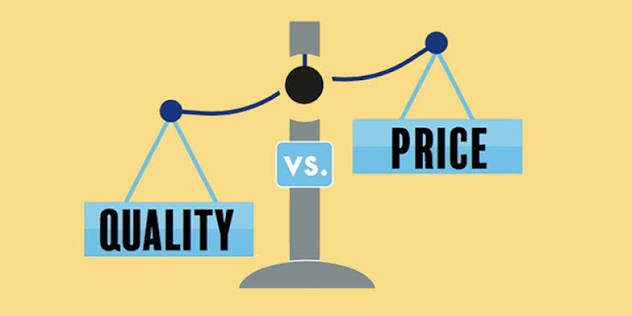
Poor product pricing can hurt a store in two directions. Prices set too high may reduce demand, while prices set too low can weaken margins and make shoppers question quality. Better pricing starts by understanding competitor ranges, customer expectations, product differentiation, and the real economics behind each sale. Compare Similar Offers, Not Just Similar Products

Written by [email protected] on September 25, 2026
Excessive Overhead Spending – Remove Costs That Add Little
Overhead becomes dangerous when recurring expenses grow faster than the value they create. Small subscriptions, excess office space, unnecessary software, duplicated services, and inefficient contracts can quietly raise the sales level required to stay profitable. Cutting overhead effectively is not about removing everything possible. It means identifying costs that consume cash without meaningfully supporting customers,

Written by [email protected] on September 24, 2026
Poor Scaling Culture – Protect Standards During Fast Growth
Expansion becomes dangerous when activity rises faster than evidence. Culture scales through repeated management behavior. Hiring rapidly without clear decision rights, quality standards, coaching expectations, and escalation rules forces new employees to guess what “good” looks like. For a U.S. company facing scaling culture, the first job is to understand fast hiring and decentralization weakening

Written by [email protected] on September 22, 2026
Tax Lien Problems – Resolve Balances Before Property Transactions
The fastest way to make a tax problem worse is to act before confirming the facts. For U.S. taxpayers facing a federal or state tax lien, first verify the notice, tax year, figures, and deadline. Keep lien notices, payoff figures, account transcripts, property records, pending transaction documents, and proof of payments or resolution requests. For

Written by [email protected] on September 22, 2026
Rental Inspection Problems – Keep Reports Before Contesting Findings
Rental inspection disputes are easier to contest when the inspection report is preserved exactly as issued and compared with photographs, repair records, and prior notices. A tenant should note which findings appear inaccurate and gather evidence for each one. A housing provider should keep the inspection criteria, photographs, and follow-up records. City code inspections, landlord