

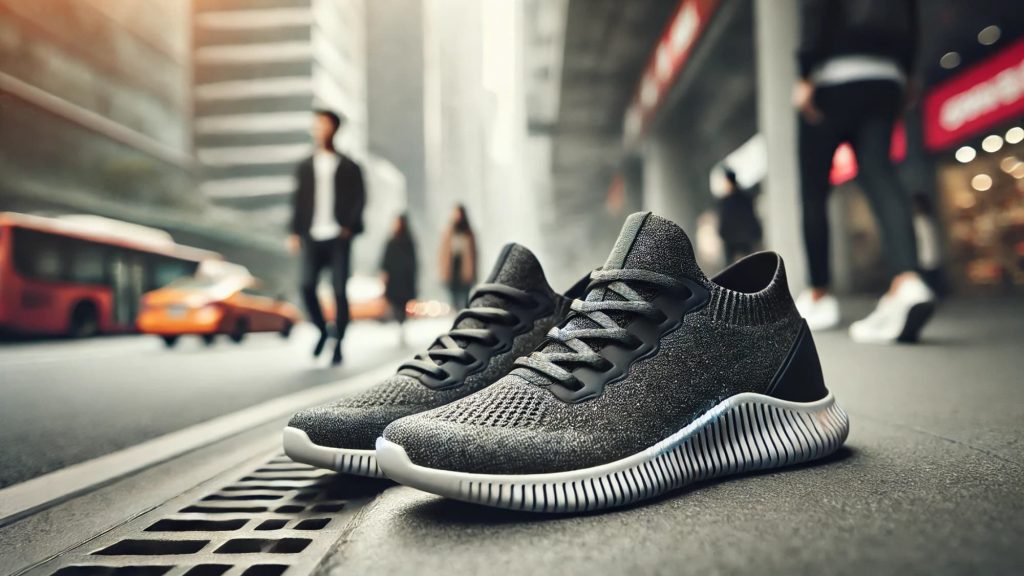
Poor shoe purchases are often caused by giving style the final vote after the foot has already raised objections. A beautiful shoe that pinches, slips, rubs, or changes your gait rarely becomes more comfortable through optimism alone. The most useful response is to slow the decision down long enough for fit, use, quality, and budget to catch up with excitement. For broader style browsing, fit-first footwear guidance can provide extra ideas, but the purchase itself should still pass your personal checklist. That small pause matters because clothing regret is usually predictable before checkout.
Five Places to Practice Better Buying Decisions
A smart shopping process should work across full-price stores, discount channels, brand sites, and resale platforms. These five options show how the same problem can appear in different settings and what kind of information is worth checking before you commit.
1. DSW
DSW focuses on footwear and provides shoe-size conversion guidance covering U.S., U.K., and European sizing. Its fit information also emphasizes measuring foot length and considering shoe shape, which matters when a visually appealing pair does not match your actual foot. The useful habit is to treat DSW as one comparison point, then judge the item on its own details before deciding.
2. Zappos
Zappos specializes heavily in footwear and lets shoppers filter shoes by size and width across many brands. That broad selection is useful when the real problem is not finding an attractive shoe, but finding a shape and width that work for the foot wearing it. This makes Zappos most useful when you arrive with clear criteria and compare the product information with what your wardrobe actually needs.
3. Nike
Nike publishes footwear size charts and instructions for measuring foot length, and it identifies regular, wide, and extra-wide fit information on its sizing pages. That makes it relevant when shoppers need to distinguish a favorite silhouette from a shoe that actually fits. Use the information available at Nike to narrow choices, but make the final call from the garment’s measurements, materials, condition, and likely use.
4. Nordstrom
Nordstrom carries many apparel and footwear brands, publishes size guides, and offers in-store alterations for a range of clothing. The multi-brand assortment is useful for comparing how fit, fabric, and construction can differ at similar price points. For this topic, use Nordstrom as a place to compare the specific item against your own checklist instead of letting brand familiarity make the decision.
5. Macy’s
Macy’s sells clothing across many brands and notes that size charts are available on many product pages. A department-store assortment can help shoppers compare materials, cuts, and price levels without assuming that one brand’s sizing or quality standard applies to another. When shopping here, keep the article’s main rule in view: the individual garment still has to satisfy your fit, use, quality, and budget needs.
A Better Pre-Purchase Routine
Measure both feet, consider width as well as length, and try shoes with the socks or hosiery you expect to wear. Check heel hold, toe room, arch feel, and whether pressure appears during walking. Shop later in the day if your feet tend to swell and spend time walking on a clean indoor surface before deciding. Do not depend on an uncertain ‘break-in’ period to solve a clearly poor fit. For another source of general fashion reading, shoe shopping ideas can be useful while you keep the actual decision tied to the item in front of you. If the item still makes sense after those checks, the purchase has a practical case behind it rather than only a moment of excitement.
Frequently Asked Questions
Should new shoes feel tight because they will stretch?
Some materials soften, but a shoe that causes obvious pressure, numbness, or toe crowding at purchase is a poor bet. Stretch should not be used to justify the wrong basic fit.
How much room should shoes have at the toes?
Enough to avoid crowding during walking, while still keeping the foot secure. Exact space depends on shoe type and foot shape, so use fit and movement rather than a single rule.
Why should I measure both feet?
Feet can differ in length or width. Fit the larger or more demanding foot, then adjust the other side if needed with lacing or an appropriate insert.
Turn Shopping Into a Better Decision
Shoes should earn their place by supporting movement first. Use measurements, width, walking comfort, and heel security to narrow the options, then let appearance choose among the pairs that already fit. Readers looking for more comfortable style references may also explore comfortable style references. A good wardrobe is built from decisions that remain sensible after the sale sign, trend cycle, or brand excitement disappears.
