
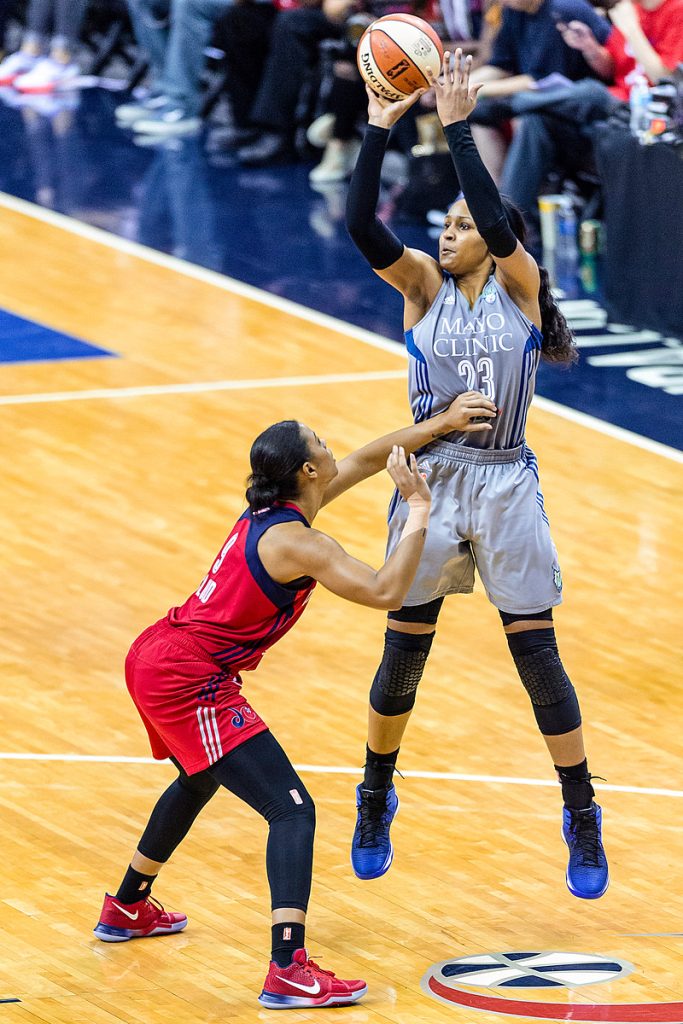
Improving poor closeout technique takes more than adding effort. The player needs arriving under control while still affecting the shot, supported by sprint-to-chop footwork, hand position, angle, balance, and drive containment. Start slowly enough to control the movement, then add speed, a defender, and decision pressure in stages. That approach keeps practice connected to what actually breaks down during games rather than rewarding difficult-looking drills that do not transfer.
For players who also follow wider competition topics, more team performance content can add sports reading, while the training plan stays focused on one measurable correction.
Ways to Add Coaching and Feedback
A useful program should connect instruction to the exact breakdown that appears in games. Ask how the skill is taught, how much feedback the player receives, and whether the drills eventually include live reads. The five options below use different training formats and are presented for comparison rather than ranking.
1. Breakthrough Basketball
runs camps across the United States plus weekly training academies. Its player-development material covers skills such as shooting, ball handling, decision-making, and basketball IQ. Ask whether instruction connects closeout technique with sprint-to-chop footwork, hand position under increasing pressure. Check the specific session description because emphasis can vary by coach and location.
2. Pro Skills Basketball
offers youth teams, camps, clinics, and multi-week academies in U.S. markets. Its camp model uses fundamentals, drills, games, and competition, while academies provide longer-term skill development. For closeout technique, ask whether the session creates enough quality reps around sprint-to-chop footwork, hand position. The best fit is a format the player can attend consistently and apply between sessions.
Players can connect practice to the wider game through sports competition perspectives, but improvement still follows a simple cycle: correct the movement, test it under pressure, and keep what holds up in live play.
3. PGC Basketball
runs camps for dedicated players from middle-school through college levels. Its training model places strong attention on smarter play, confidence, and applying skills to game decisions. A player targeting closeout technique can use this format to work on sprint-to-chop footwork, hand position. Choose the option that gives enough feedback and progression for the exact problem.
4. CoachUp
connects athletes with basketball coaches for private lessons, small-group training, online sessions, and camps or clinics. The format can suit players who want direct feedback on one recurring problem. Ask whether instruction connects closeout technique with sprint-to-chop footwork, hand position under increasing pressure. Check the specific session description because emphasis can vary by coach and location.
5. Nike Basketball Camps / US Sports Camps
lists basketball camps and clinics in many U.S. locations. Depending on the site, formats can include day, clinic, or overnight options, letting families compare age groups and schedules. A player targeting closeout technique can use this format to work on sprint-to-chop footwork, hand position. Choose the option that gives enough feedback and progression for the exact problem.
What to Compare Before Committing
Ask whether the program can address closeout technique directly. A player whose main issue is running past the shooter because the final steps are too fast needs a different progression from someone who knows the technique but loses it at game speed. Compare feedback, group size, schedule, travel, and how quickly drills move toward realistic possessions. sports planning perspectives can add tactical context, yet the athlete should keep one question in view: did this training make the next basketball decision or movement more reliable?
Keep the Drill Connected to the Possession
Begin with start from help position, close to a shooter, then react to shot or drive cues. Keep the first block clean enough to monitor sprint-to-chop footwork, hand position, angle, balance, and drive containment. Once the player can repeat the action, add one live cue such as a defender, pass, time limit, or scoring consequence. Do not add every difficulty at once. The last reps should resemble a real possession while preserving the technical goal.
Frequently Asked Questions
How often should a player practice closeout technique?
Short, focused sessions usually beat one long workout. Keep the target narrow, stop when technique collapses, and record a simple measure such as clean reps, makes, stops, or successful reads.
Should closeout technique drills be done at full speed?
Not immediately. Learn the action slowly enough to control the key detail, then add speed, a defender, time pressure, and fatigue in stages. Add game speed after the pattern is repeatable.
How can a player measure progress in closeout technique?
Use one or two repeatable tests. Video, make percentage, turnover count, successful stops, or decision grades can work. Measure game transfer, not drill complexity.
Make Improvement Measurable
Better closeout technique comes from dependable habits, not a secret drill. Build around arriving under control while still affecting the shot, keep feedback specific, and raise difficulty only when the current level is controlled. Whether training alone or with a coach, finish each session knowing what improved and what the next reps need to fix.
