
Garden plants need water, but constantly wet soil can be as damaging as prolonged dryness. Overwatering reduces the air available around roots and can contribute to weak growth, yellowing leaves, and root problems. The solution isn’t simply to stop watering completely. The goal is to let the soil return to a healthier moisture pattern.
Check the Soil Before Adding More Water
A wet surface doesn’t always reveal what is happening deeper in the root zone. Push a finger into loose soil or use a small hand tool to check moisture several inches below the surface without damaging roots.
If the soil remains damp from a previous watering, another soaking may be unnecessary. Plant type, temperature, wind, container size, and soil structure all affect how quickly moisture disappears.
Readers comparing general household and garden topics may encounter practical lifestyle resources, but watering decisions should ultimately be based on the conditions around the individual plant.
Look for Patterns Rather Than One Symptom
Yellow leaves can appear on overwatered plants, but they can also result from nutrient issues, aging foliage, pests, or other stresses. That’s why one symptom alone isn’t enough to identify the problem.
Overwatered soil often feels consistently wet and may drain slowly after irrigation. Plants can sometimes look wilted even when plenty of water is present because unhealthy roots may struggle to function normally.
| Observation | Possible Meaning | Useful Check |
|---|---|---|
| Wet soil for days | Poor drainage | Inspect soil structure |
| Yellow leaves | Root stress possible | Check moisture first |
| Soft lower stem | Excess moisture concern | Reduce standing water |
| Musty soil smell | Poor aeration possible | Examine drainage |
Improve Drainage Around the Roots
Compacted soil can hold water too long. In garden beds, improving organic matter and avoiding repeated foot traffic over the root zone may help maintain a better soil structure over time.
Containers require drainage holes that remain open. Decorative outer pots can trap water around an inner container, so check whether excess irrigation is actually escaping.
Gardeners interested in broader home planting ideas can use decorative inspiration while still putting drainage and plant requirements ahead of appearance.
Be Careful With Immediate Repotting
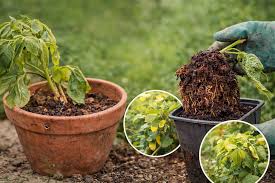
A struggling plant doesn’t always need to be removed from the soil at once. Repotting itself can stress roots, particularly when the plant is already weakened.
For container plants with severely waterlogged or deteriorated growing media, repotting may sometimes be useful, but handle healthy roots gently and avoid unnecessary disturbance.
Change the Watering Routine
Fixed schedules such as “water every morning” can create problems because plant needs change with weather. A hot, windy week may dry soil quickly, while several cool cloudy days can keep it wet much longer.
Water based on soil condition whenever practical. Morning watering can also make it easier to observe moisture and plant condition through the day.
Ideas related to garden-friendly exterior styling can complement planting areas, but decorative layout should never make pots difficult to drain or inspect.
Mistakes That Keep Soil Too Wet
Frequent light watering isn’t always safer than occasional deeper watering. Depending on the plant and soil, constant small additions may keep the upper root zone continually damp without developing a healthy wet-and-dry rhythm.
Another mistake is assuming wilt automatically means thirst. Checking moisture before watering helps avoid adding more water to an already saturated root zone.
Frequently Asked Questions
Can an overwatered plant recover?
Many plants can recover if root damage isn’t extensive and growing conditions improve. Recovery depends on species, root health, drainage, temperature, and how long the soil remained saturated.
Should I remove yellow leaves from an overwatered plant?
Completely damaged leaves can often be removed, but focus first on correcting the moisture problem. Avoid stripping large amounts of foliage from an already stressed plant unnecessarily.
How long should soil stay wet after watering?
There isn’t one universal time. Soil type, plant species, container size, weather, and drainage all affect drying speed. Persistently saturated soil is more concerning than ordinary temporary moisture.
Let the Roots Breathe Again
Correcting overwatering is mostly about restoring balance. Check moisture before irrigating, make sure excess water can escape, and avoid reacting to every wilted leaf with another watering. Once roots regain access to both moisture and air, the plant has a much better chance of producing healthier new growth.
