How to Tell If Your Old Coins Are Worth Money: A Simple Identification Guide
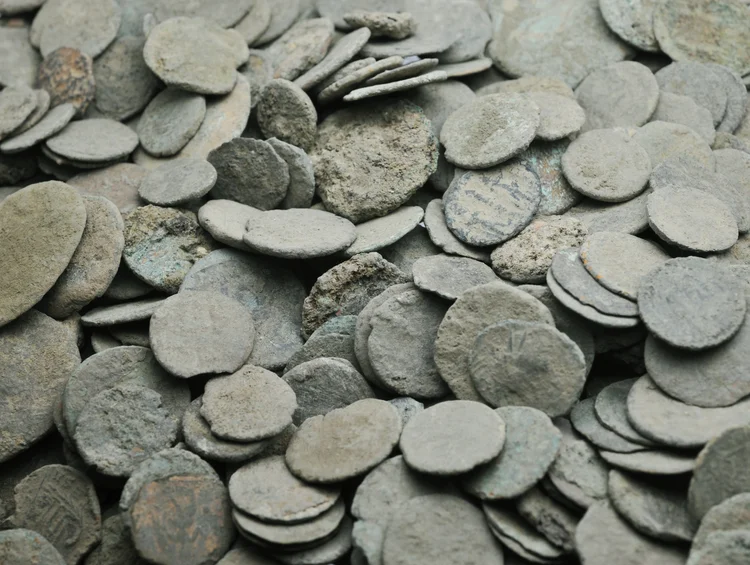
Many people in West Columbia, TX, have old coins sitting in drawers, jars, or inherited collections without realizing they could be valuable. While some coins are only worth their face value, others can be worth far more due to rarity, condition, or historical importance. Learning how to identify these differences is the key to understanding whether your old coins are worth money.
The American Rare Coin Collectors Association often meets people who are surprised to discover that coins they assumed were common actually carry significant value. With a few simple steps, anyone can begin to evaluate their coins more confidently.
Start by Checking the Date and Mint Mark
The first and most important step in identifying a coin’s value is checking its date and mint mark. These two details often determine whether a coin is common or rare.
Why the Date Matters
Certain years produced fewer coins than others. When production numbers are low, those coins become harder to find today. For example, early U.S. coins from the 1700s and 1800s are often more valuable because fewer were made and fewer have survived. Even some 20th-century coins can be valuable if they come from low-mintage years.
Understanding Mint Marks
Mint marks show where a coin was produced. In the United States, common mint marks include “P” for Philadelphia, “D” for Denver, and “S” for San Francisco. Some mints produced fewer coins in certain years, which increases value. A small letter on your coin can make a big difference in price.
Look for Rare or Key Dates
Some coins are known as “key dates,” meaning they are especially rare within a series. These coins are highly sought after by collectors.
Examples of Key Dates
Coins like the 1909-S VDB Lincoln cent or the 1893-S Morgan silver dollar are famous examples. Even worn versions of these coins can be worth significant money because collectors need them to complete sets.
Why Key Dates Matter
Key dates are often the hardest coins to find in a series. Because collectors compete to obtain them, prices increase. If your coin matches a known key date, it is worth further evaluation.
Examine the Condition of the Coin
Condition plays a major role in determining value. Two coins with the same date and mint mark can have very different values depending on how well they are preserved.
What to Look For
Check for scratches, dents, discoloration, and worn details. Coins with sharp details and minimal wear are considered higher grade and are more valuable. Coins that are heavily worn may still have value, but usually less.
Why Condition Affects Value
Collectors prefer coins that look close to how they originally appeared when minted. Even small differences in condition can lead to large differences in price. Proper handling is important to preserve value. Always hold coins by the edges and avoid touching the surfaces.
Identify Silver and Gold Coins
Older coins made from precious metals often have intrinsic value based on their metal content alone.
Silver Coins
U.S. coins made before 1965, such as dimes, quarters, and half dollars, often contain silver. These coins are commonly referred to as “junk silver,” but many still carry collector value above their metal content.
Gold Coins
Gold coins from the 1700s, 1800s, and early 1900s are often highly valuable. Even small denominations can be worth thousands of dollars depending on rarity and condition.
Why Metal Content Matters
Precious metals provide a baseline value, but rare dates or mint marks can increase value far beyond metal price alone.
Look for Mint Errors
Mint errors occur during the coin production process and can make coins extremely valuable. These mistakes are rare and highly collectible.
Common Types of Errors
Some common errors include double strikes, off-center designs, missing elements, or incorrect planchets. One well-known example is the 1937-D three-legged Buffalo nickel, where part of the design was accidentally removed during production.
How to Spot Errors
Carefully examine both sides of the coin using good lighting and, if possible, a magnifying glass. Any unusual design features should be researched or verified by an expert.
Compare Your Coins to Known Examples
Once you have identified key features, compare your coins to verified examples in reference guides or online catalogs.
Using Reference Materials
Coin books and price guides list images, descriptions, and values for many U.S. coins. These resources help you match your coin to known varieties and determine if it is rare.
Why Comparison Is Important
Many coins look similar at first glance. Small differences in design, mint mark placement, or lettering can significantly affect value. Careful comparison helps avoid mistakes.
Avoid Cleaning Your Coins
One of the most common mistakes people make is cleaning old coins in an attempt to make them look better. This can actually reduce their value significantly.
Why Cleaning Is Harmful
Cleaning removes the natural surface of the coin and can leave scratches or unnatural shine. Collectors prefer original surfaces, even if the coin shows wear.
What to Do Instead
If a coin is dirty, leave it as is. Store it properly and seek professional advice if needed. Preserving the original condition is always the best approach.
Get a Professional Opinion
If you believe you may have valuable coins, the next step is to seek a professional evaluation. Experts can confirm authenticity and provide accurate pricing.
Where to Get Help
Reputable dealers, coin shows, and professional organizations are the best places to get coins evaluated. The American Rare Coin Collectors Association regularly works with collectors to identify rare coins and provide fair assessments.
Why Expert Evaluation Matters
Professionals can spot details that beginners may miss. They can also confirm whether a coin is genuine, which is especially important for high-value pieces.
Watch for Market Demand
Coin values are not fixed. They change based on collector demand, market conditions, and rarity trends.
How Demand Affects Value
Some coins become more valuable over time due to increased interest. Others may fluctuate depending on silver or gold prices. Staying aware of market trends helps you understand timing when selling or holding coins.
Staying Informed
Attending coin shows in West Columbia, TX, and speaking with experienced collectors can help you understand current demand. Events hosted by the American Rare Coin Collectors Association are also useful for learning about market trends and identifying valuable coins.
Conclusion
Determining whether your old coins are worth money starts with careful observation and basic knowledge. Checking dates and mint marks, identifying key dates, examining condition, and recognizing silver or gold content are all essential steps. Looking for mint errors and comparing coins to reference materials can further help you spot valuable pieces.
Avoiding common mistakes, such as cleaning coins, and seeking expert guidance ensures you do not overlook hidden value. With patience and attention to detail, anyone can learn to identify potentially valuable coins in their collection.
For collectors in West Columbia, TX, taking the time to evaluate old coins can be both rewarding and exciting. With support from trusted resources like the American Rare Coin Collectors Association, you can confidently determine whether your coins are simple keepsakes or valuable collectibles worth preserving or selling.
You may also like


Leave a Reply