

Frequent car washes can keep road film, bird droppings, salt, dust, and other contaminants from remaining on paint for long periods. But washing more often isn’t automatically better. The products, equipment, and techniques used during cleaning can have a bigger effect on the finish than the number of washes alone.
Wash According to Exposure, Not a Fixed Calendar
A garage-kept weekend car doesn’t face the same conditions as a daily commuter parked outdoors. Rain, road salt, tree sap, pollen, insects, mud, construction dust, and coastal air can all change how quickly a vehicle needs cleaning.
Instead of automatically washing every few days, inspect the exterior. Remove contaminants that may stick to or stain the surface, then schedule full washes according to actual conditions.
Owners interested in automotive care technology should still begin with basic surface-safe habits. No piece of equipment can fully compensate for dirty towels, harsh chemicals, or careless contact with paint.
Reduce Friction During Every Wash
Loose dirt can behave like an abrasive when dragged across paint. Rinsing thoroughly before touching the surface helps remove material that would otherwise be rubbed against the clear coat.
Use clean wash media and a product designed for automotive finishes. Household detergents may clean aggressively, but they aren’t automatically appropriate substitutes for car-wash products.
| Cleaning Habit | Possible Problem | Smarter Approach |
|---|---|---|
| Washing a dusty car dry | Surface scratching | Rinse loose dirt first |
| Using dirty towels | Reintroduces grit | Rotate clean towels |
| Washing in strong heat | Fast water spotting | Work in cooler conditions |
| Scrubbing contamination | Finish damage | Soften and remove carefully |
Keep Your Washing Equipment Clean
Buckets, mitts, brushes, drying towels, and applicators collect dirt over time. Reusing contaminated equipment can undermine the purpose of washing the vehicle.
A simple garage car-care routine can separate clean towels from used ones and keep chemicals properly stored. You don’t need an elaborate detailing room; organized supplies reduce the chance of grabbing a dirty cloth and rubbing it across freshly washed paint.
Drying deserves similar attention. Allowing mineral-rich water to evaporate on the surface can leave spots, while rough drying can create unnecessary friction.
Match the Method to the Vehicle’s Condition
A lightly dusty car and a mud-covered SUV shouldn’t receive identical treatment. Heavy contamination usually benefits from a more thorough pre-rinse before any physical contact.
Vehicles with existing paint damage, matte finishes, wraps, coatings, or other specialized surfaces may also have different cleaning requirements. Follow the care guidance appropriate to the actual finish.
Appearance-focused owners sometimes explore exterior detailing ideas while building a wash routine. Decorative goals are fine, but surface preservation should come first. Aggressive polishing or repeated correction can remove material rather than endlessly restoring it.
Where Frequent Washing Can Go Wrong
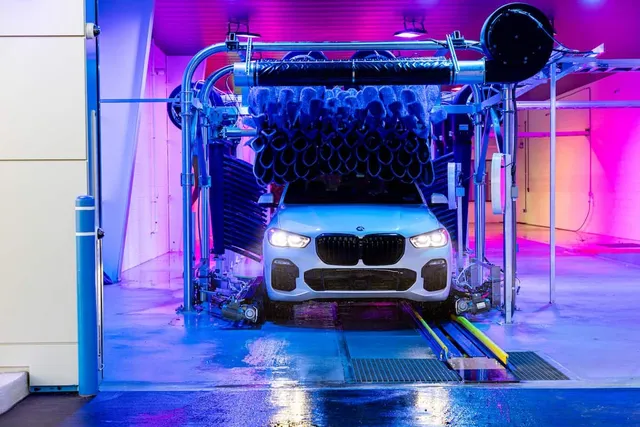
Frequency becomes a problem when every wash creates unnecessary contact. Automatic systems with aggressive brushes, contaminated tools, excessive pressure in sensitive areas, or harsh chemicals can turn routine cleaning into gradual surface wear.
Another mistake is chasing perfect paint after every drive. Some dust is cosmetic and doesn’t demand immediate scrubbing.
Pay closer attention to contaminants that bond to the surface or may become harder to remove. Smarter cleaning means knowing when action matters and when the car can wait.
Frequently Asked Questions
Is washing a car every week too often?
Not necessarily. Weekly washing may be reasonable for heavily used vehicles exposed to dirt, salt, insects, or outdoor contaminants. Technique and product choice matter as much as frequency.
Can automatic car washes scratch paint?
Some contact-based systems can contribute to fine surface marks, particularly when brushes or other materials carry abrasive contamination. Results depend on the equipment, maintenance, vehicle finish, and wash design.
Should a car be washed immediately after rain?
Rain alone doesn’t always require an immediate wash. Inspect the vehicle for dirty residue, road spray, mineral deposits, or other contamination and clean it when conditions justify it.
Clean the Car Without Fighting the Paint
Base washing frequency on exposure rather than habit. Rinse away loose dirt, use appropriate products, keep wash tools clean, and avoid unnecessary scrubbing. Frequent car washes can support a well-kept finish when each cleaning session removes contamination without creating fresh damage.
