
Certified Used Cars – Verify Inspection and Warranty Details
A certified used car can offer extra reassurance compared with an ordinary used vehicle, but the word “certified” should never replace your own checks. Certified used cars may come with inspections, limited warranty coverage, or other program benefits, yet the exact standards can differ. Buyers should verify what certification actually includes before paying a premium for it.
Understand Who Provides the Certification
Manufacturer-backed certified pre-owned programs and dealer-created certification programs are not necessarily the same. A manufacturer’s program may have its own age, mileage, inspection, and warranty requirements, while an individual dealer can use different standards.
Useful used-car research ideas can help buyers build a checklist before visiting a seller. The important point is to ask who stands behind the certification and obtain the program terms in writing.
Ask for the Inspection Details
A statement that a vehicle passed a multi-point inspection sounds reassuring, but the number of inspection points alone tells you little about their depth.
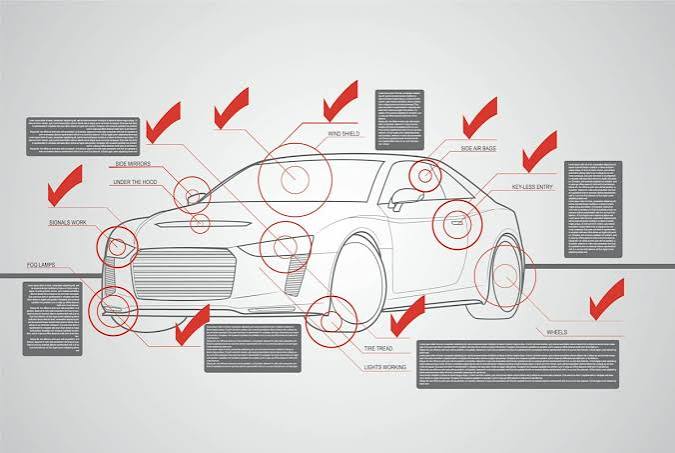
Request a copy of the completed inspection report when available. Look for information about tires, brakes, fluids, warning lights, body condition, major mechanical systems, and any repairs made before certification.
Review Warranty Coverage Carefully
A warranty can add value, but only when you understand what it covers. Check the coverage period, mileage limits, deductible requirements, exclusions, and whether repairs must be performed at specific facilities.
Including prepurchase vehicle checks in your research process can help prevent certification from becoming the only reason you trust the car. A certified label does not remove the need to examine condition, service history, and overall value.
| Item to Verify | Question to Ask | Why It Matters |
|---|---|---|
| Certification | Who issued it? | Standards can differ |
| Inspection | Can I see the report? | Shows what was checked |
| Warranty | What is excluded? | Coverage may be limited |
| Vehicle history | Are records available? | Adds ownership context |
Compare the Certified Price With Alternatives
Certified vehicles commonly cost more than similar non-certified used cars. The extra price may be worthwhile when the program offers meaningful warranty protection and the vehicle has been properly prepared.
Researching broader used-car ownership topics can provide context when comparing vehicles. A lower-priced non-certified car with strong maintenance records and a clean independent inspection may sometimes represent better value than a certified car carrying a substantial premium.
Consider an Independent Inspection
Even when a vehicle is certified, an independent inspection can provide another perspective. A mechanic working for the buyer rather than the seller may identify wear, previous repair work, upcoming maintenance, or concerns that do not prevent certification.
If a seller strongly resists a reasonable request for an outside inspection, that deserves attention.
What Buyers Commonly Assume Incorrectly
Certification does not mean a used car is new again. Tires can still wear out, cosmetic imperfections may remain, and mechanical parts can fail after purchase.
It is also risky to assume every problem will be covered by warranty. Wear items, maintenance, cosmetic damage, and specific components may be excluded depending on the program. The certification paperwork matters more than the badge or windshield sticker.
Frequently Asked Questions
Are certified used cars always better than regular used cars?
Not automatically. Certification can provide additional inspection or warranty benefits, but vehicle condition, maintenance history, price, model reliability, and the quality of the certification program remain important.
Can I negotiate the price of a certified used car?
Often, yes. Certification does not necessarily make the advertised price fixed. Compare similar vehicles, consider local supply, and negotiate based on the actual car and included benefits.
Do certified used cars need independent inspections?
An independent inspection can still be worthwhile. Certification standards vary, and a separate mechanic may provide useful information about wear, maintenance needs, or prior repairs before you commit to the purchase.
Verify the Benefits Before Paying More
Treat certification as one part of the buying decision rather than a guarantee of perfection. Read the warranty, inspect the certification report, review the vehicle’s history, compare its price with similar cars, and consider an independent inspection. A certified used car earns its premium only when the added protections are clear, useful, and relevant to the vehicle you are buying.
You may also like


Leave a Reply