

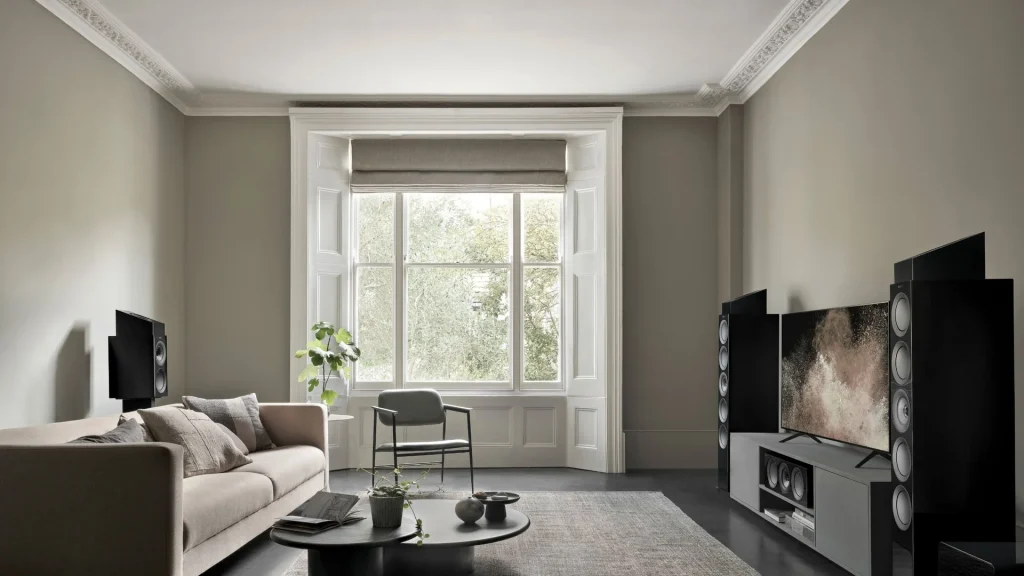
Buying a speaker becomes confusing when every product page treats more features as automatically better. The useful starting point is simpler: decide how the device will serve music, movies, parties, desktop listening, multi-room audio, and casual background sound, then compare only the specifications that affect those jobs. Price still matters, but so do comfort, support, compatibility, and the cost of owning the product for several years. Shoppers who want more background can consult practical home-audio reading, but the final decision should stay tied to real usage rather than hype.
Five Speaker Brands for Different Rooms
A practical comparison begins with room size, listening distance, stereo vs single speaker, bass expectations, wireless platform, inputs, and placement. Those factors create a much clearer shortlist than sorting by the newest model or the biggest headline number. The five companies or buying channels below represent different approaches to the category. They are not ranked from best to worst; use them as reference points for matching features, support, and ownership tradeoffs to your own priorities.
1. Sonos
Sonos focuses on wireless home audio, soundbars, and multi-room systems. It is a strong comparison point for buyers who want synchronized audio across rooms, though platform dependence and ecosystem cost should be considered before expanding to several speakers.
2. Bose
Bose offers portable Bluetooth speakers, smart speakers, and home-theater products. It can suit listeners who value compact convenience and simple setup, but buyers should compare stereo options, inputs, and room coverage rather than assuming one portable speaker will fill every space equally.
3. JBL
JBL has a wide range of portable Bluetooth speakers, party speakers, and home audio products. It is particularly useful for comparing rugged portable options, but room size and listening distance should determine whether a small battery speaker or larger powered system makes sense.
4. Sony
Sony sells portable speakers, party systems, soundbars, and home audio gear. It is worth comparing when you want deeper bass or larger-room output, but feature-rich party speakers can be excessive for near-field desk listening or apartments.
5. Klipsch
Klipsch is well known for traditional passive and powered speakers aimed at home listening. It can appeal to buyers who prioritize stereo imaging and speaker placement over app ecosystems, though some setups require an amplifier or more careful room positioning.
Let the Room Define the Speaker System
Before paying, write down the three tasks the speaker must handle well and the two frustrations you most want to avoid. That simple list keeps optional extras from becoming false requirements. Use speaker buying guidance as supplementary reading, then verify the exact model, warranty, compatibility, and return terms with the seller or manufacturer before checkout. If two options meet the same core need, prefer the one that is easier to own: simpler support, appropriate capacity, sensible accessories, and fewer compromises you will notice every day.
A second useful test is to compare the total setup rather than the product alone. Accessories, subscriptions, adapters, replacement parts, service plans, and future upgrades can change the real cost. Buying a slightly less ambitious device can be smarter if it avoids expensive add-ons or gives you a better fit for your routine.
Frequently Asked Questions
How does room size affect speaker choice?
Larger rooms generally require more output and may benefit from multiple speakers or a stereo pair. Small rooms can sound boomy with oversized bass-heavy systems. Consider listening distance, wall placement, and how loudly you actually listen rather than buying the physically largest speaker.
Is one Bluetooth speaker enough for good sound?
It can be enough for casual listening, kitchens, patios, or travel. For focused music listening, a stereo pair creates better left-right imaging and a wider soundstage. One speaker prioritizes convenience; two properly placed speakers prioritize spatial presentation.
Should I buy a subwoofer immediately?
Not unless you know you want deeper bass for movies or music. Many speakers provide enough low end for small rooms. Add a subwoofer when you understand what is missing, because poor placement or excessive bass can make a system less balanced rather than more impressive.
Buy for the Room, Not the Showroom
The strongest buying decision is the one you can explain in plain language: what problem the product solves, which features matter, and which features you deliberately ignored. Choose speakers for the room you have, because the room is part of the sound system whether you plan for it or not. If you want another perspective before spending, room-audio guidance can support your comparison, but the last check should always be your own workload, budget, and tolerance for compromise.
