

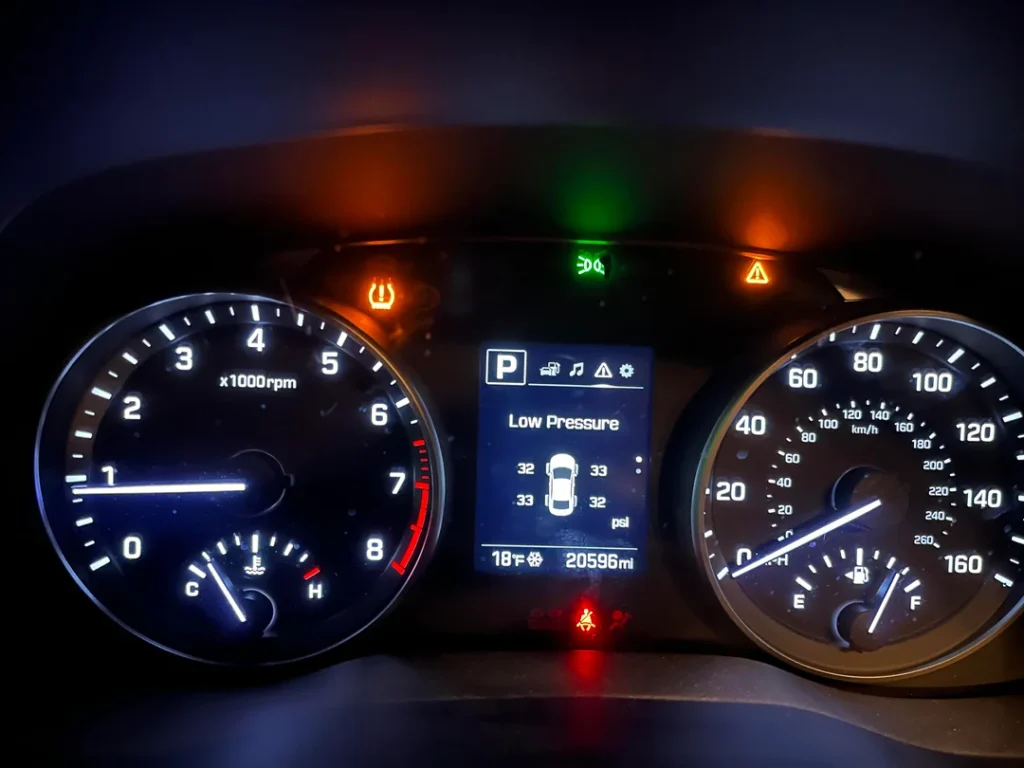
A change in grip, tracking, sound, or steering feel deserves more than a quick glance. With tire pressure warning lights, the useful question is what created the symptom. Possible causes include actual low pressure, seasonal temperature changes, punctures, damaged TPMS sensors, dead sensor batteries, or a system that needs relearning. Note when the problem appears before replacing parts. Drivers can also use tire-system maintenance content for general automotive reading alongside professional inspection.
Where Tire and Wheel Diagnostics Can Begin
First determine whether the tire is the cause or the messenger. A shop should consider manual pressure verification first, followed by leak detection and TPMS diagnostics when the light does not behave normally, especially when the driver reports a steady or flashing warning light, repeated alerts after inflation, or one tire consistently reading differently. Replacing a tire without correcting the reason it wore, leaked, vibrated, or lost grip can repeat the problem. TPMS and efficiency reading offers related efficiency reading.
1. Discount Tire
Service focus: Tire and wheel inspection, repair, balancing, TPMS, and select-location wheel services.
Discount Tire offers tire inspection, flat repair, pressure checks, rotation, balancing, and TPMS service. Alignment and rim repair or refinishing are listed at select locations, so local capability should be confirmed first.
Use the visit to separate visible tire symptoms from wheel, pressure, alignment, or suspension causes. Clear findings are more useful than a generic recommendation to replace parts.
2. Firestone Complete Auto Care
Service focus: Tire, alignment, TPMS, and steering/suspension inspection.
Firestone lists tire repair, rotation, balancing, alignment, TPMS work, and steering or suspension services. That range is useful when a tire symptom may be connected to alignment or chassis wear rather than the tire alone.
Begin with manual pressure verification first, followed by leak detection and TPMS diagnostics when the light does not behave normally. Then compare the measured result with the condition of the tire before deciding between maintenance, repair, or replacement.
3. Goodyear Auto Service
Service focus: Tire repair, balancing, alignment, rotation, and TPMS checks.
Goodyear Auto Service locations list tire repair, balancing, alignment, TPMS checks, pressure service, and rotation. Confirm the exact menu at the nearby store before booking, because services can vary by location.
For tire pressure warning lights, ask what was measured and why the proposed service matches the finding. The shop should explain whether the tire itself is worn or whether another condition is creating the symptom.
4. Pep Boys
Service focus: Tire, TPMS, alignment, and steering/suspension service.
Pep Boys lists tire balancing, repair, rotation, TPMS service, alignment, and steering or suspension work. That makes it relevant when a vibration, warning light, or wear pattern may have more than one cause.
Describe when the symptom appears and any recent pothole, curb, tire, or suspension work. Those details help the technician focus manual pressure verification first, followed by leak detection and TPMS diagnostics when the light does not behave normally on the most likely source.
5. Belle Tire
Service focus: Alignment, tire rotation, balancing, pressure, and TPMS service.
Belle Tire lists alignment, rotation, tire-and-wheel balancing, pressure checks, and TPMS service. Its regional network can suit drivers who want related tire-maintenance services handled through one provider.
Before booking, explain that the concern is tire pressure warning lights and confirm that the local location has the equipment needed for the inspection or repair.
How to Avoid Treating the Symptom Only
Compare the diagnostic process, not slogans. Look for pressure checks, sensor testing, TPMS replacement and programming capability, and careful leak diagnosis. Explain when the problem started and what work was done recently, then ask what was measured. Tread, pressure, balance, alignment, or visible-damage findings give you concrete evidence for choosing repair, maintenance, or replacement. Drivers who care about ride quality and long-term vehicle condition can also browse premium tire-system guidance while keeping the actual repair decision tied to inspection results.
Frequently Asked Questions
Should I ask for an alignment, balance, or tire inspection first?
Start with the symptom. Uneven wear and pulling often justify an alignment check, speed-related vibration often points toward balance or wheel inspection, and pressure loss calls for leak testing. A complete tire inspection can connect these clues and prevent paying for a service that does not address the cause.
Can a tire problem damage other parts of the vehicle?
It can. Persistent vibration, improper pressure, severe imbalance, or alignment problems can add stress to tires and related steering or suspension components. The exact effect depends on the cause, which is why recurring symptoms are better diagnosed than repeatedly masked with air, rotation, or replacement alone.
How do I compare tire-service shops without relying on ratings alone?
Compare the services actually offered, whether the shop measures and explains the problem, the repair standard used, and whether the technician checks related causes. For location-dependent services such as alignment or rim repair, confirm that the specific store has the required equipment before making the trip.
Good Tire Care Starts With the Correct Diagnosis
A tire symptom should create a maintenance decision, not a guessing contest. When tire pressure warning lights appears, record what you feel or see and have it checked before the condition grows. The right provider will connect the symptom to a measurable cause and explain the limits of repair.
