
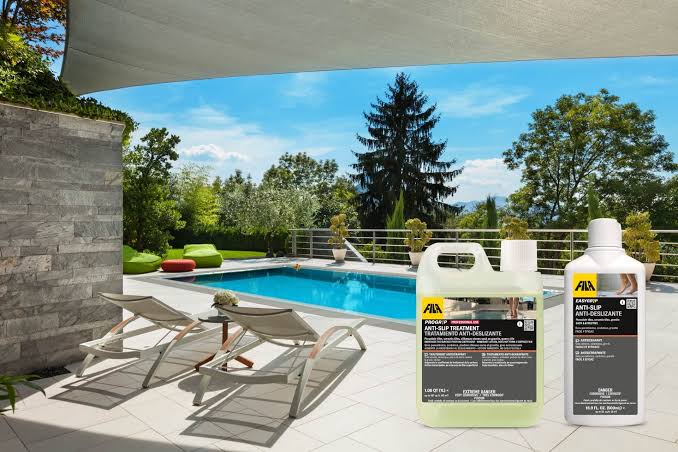
Slippery Pool Areas – Improve Grip Around Wet Surfaces
Pool decks naturally get wet, but they should not become unpredictable walking surfaces. Better grip starts with keeping water from collecting, choosing appropriate surface materials, and maintaining clear routes around the pool. Small changes can reduce slipping without turning the area into a rough, uncomfortable space that is difficult to clean or walk on barefoot.
Identify Where Slipping Happens Most
Look for places where water repeatedly gathers rather than judging the entire pool deck as one surface. Steps, ladders, shower areas, entry gates, and routes between the pool and house often stay wetter than less-used sections.
Observing everyday outdoor living areas can help reveal where traffic and water overlap. These high-use zones deserve attention first.
Check the Surface When It Is Wet
A deck that feels secure when dry may behave differently after swimmers leave the pool. Test normal walking routes carefully while the surface is wet rather than relying on appearance alone.
Smooth finishes, algae, sunscreen residue, and worn coatings can all reduce traction.
Improve Drainage Before Adding More Products
Standing water makes almost any surface more difficult to walk across. Check that deck drains are clear and that the surface moves water away instead of allowing shallow puddles to remain.
Better courtyard drainage planning can be useful around connected patios and pool zones. Sometimes correcting a drainage problem is more effective than repeatedly applying temporary traction products.
| Problem Area | Practical Improvement | Reason |
|---|---|---|
| Standing puddles | Improve drainage | Reduces persistent wetness |
| Smooth tile | Assess traction treatment | Improves foot grip |
| Algae buildup | Clean promptly | Removes slick film |
| Cluttered deck | Clear walking routes | Prevents sudden steps |
Consider Surface Texture Without Overdoing It
Textured finishes may improve traction, but aggressive surfaces can be uncomfortable on bare feet. The goal is dependable grip, not the roughest surface available.
For permanent changes, consider how the pool area connects with broader property improvement choices. A surface should handle water exposure while remaining practical to clean and maintain.
Use Mats Selectively
Outdoor mats may help near showers, changing areas, or entrances when they are designed for wet environments. They need drainage underneath and must stay flat.
A curling or shifting mat can become another tripping hazard, so inspect its edges regularly.
Keep the Deck Clean and Uncluttered
Pool water is not the only reason surfaces become slick. Sunscreen, leaves, soil, food residue, and organic growth can create films that reduce traction.
Move toys, hoses, inflatable equipment, and cleaning tools away from walking routes after use. A person trying to avoid clutter may step onto a wetter section and lose balance.
Where Quick Fixes Can Fail
Adding a traction coating without understanding why the area is slippery can waste effort. A drainage problem will continue leaving water behind, while recurring algae may point to cleaning or moisture conditions that still need attention.
Temporary tape can also peel at the edges. Before choosing any product, make sure it is suitable for the deck material, outdoor exposure, pool chemicals, and regular barefoot traffic.
Frequently Asked Questions
Can pressure washing make a pool deck less slippery?
Cleaning can remove dirt and organic buildup, but excessive pressure may damage certain surfaces. Use methods appropriate for the deck material and address drainage if water continues collecting afterward.
Are outdoor rugs safe beside a pool?
They can be when designed for wet outdoor use and placed on a stable surface. Rugs should drain properly, stay flat, and never cover a problem such as damaged decking.
Why does a pool deck become slippery even when it looks clean?
Clear films from sunscreen, body oils, cleaning products, or early organic growth may reduce grip without being obvious. Surface wear and very smooth finishes can contribute as well.
Build Safer Walking Routes
Focus first on the places people actually step: entrances, ladders, seating areas, showers, and paths back to the house. Keep those routes clean, drained, uncluttered, and appropriately textured. Improving grip around wet surfaces works best when drainage, maintenance, and walking habits are addressed together instead of relying on one coating or accessory.
You may also like

Leave a Reply