

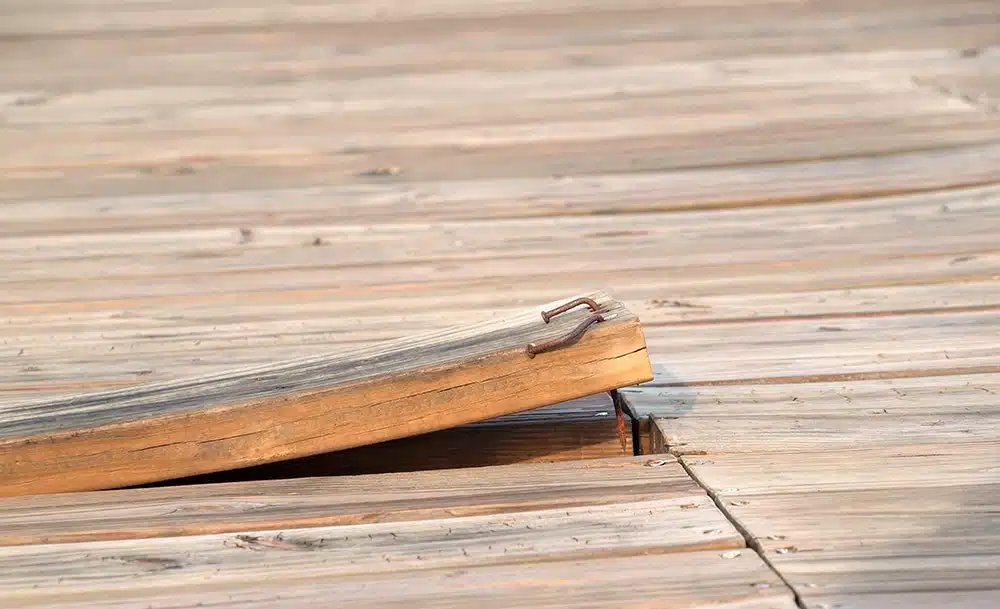
Small exterior and mechanical problems rarely improve on their own, and weak deck fasteners is a good example. Loose screws, nails, bolts, and connectors can allow deck boards, rails, or stairs to move and can turn a small maintenance issue into a safety concern.
Across the U.S., the right service choice depends on access, material condition, system design, and how far the damage has progressed. For broader planning beyond the immediate repair, home interior safety ideas can complement a practical maintenance checklist without replacing a qualified inspection when one is needed.
Deck Repair Services to Compare
Start with a careful visual check that does not require unsafe access. Inspect walking surfaces, stair connections, guardrails, posts, and visible framing hardware. Rusted, missing, or pulled-through fasteners deserve more attention than a single loose screw. Photos, model information, and notes about when the problem occurs can make the first service conversation more productive.
1. Mr. Handyman
One option to review is Mr. Handyman, a national handyman brand whose local offices handle interior, exterior, and garage repairs, including gutter work, caulking, exhaust-fan work, and window or door weatherproofing; local service menus vary. For weak deck fasteners, ask the local office whether the exact task is within its current service menu and whether the job is routine maintenance, a repair, or something that requires a specialist.
2. Ace Handyman Services
Ace Handyman Services fits this category as a network of locally owned handyman businesses offering home repair, maintenance, and improvement work, with common categories that include doors, windows, gutters, fencing, carpentry, and general repairs. The practical advantage is that homeowners can start with a provider already working in the relevant trade, then confirm local coverage and the exact scope before scheduling.
3. Handyman Connection
Handyman Connection is a home-repair and maintenance network whose published service menu includes gutters, weather stripping, caulking, cabinet hardware, fences, decks, doors, windows, and other general maintenance tasks. Availability and service details can vary by location, so the best next step is to describe the visible symptoms clearly and ask whether the local team handles that specific condition.
4. Angi
For homeowners comparing options, Angi is a home-services marketplace that helps homeowners compare and connect with local professionals across repair, maintenance, roofing, painting, concrete, chimney, handyman, and many other categories. For weak deck fasteners, the value is choice: homeowners can describe the project, compare local pros, and focus on businesses that actually handle the specific repair in their ZIP code. Because Angi is a marketplace rather than the contractor doing the work, service scope and qualifications should be confirmed with the individual professional.
5. Thumbtack
Thumbtack may be relevant because it is a local-services marketplace where homeowners can search for nearby professionals in categories such as handymen, HVAC, roofing, plumbing, windows and doors, concrete, fencing, painting, and chimney work. For weak deck fasteners, Thumbtack can be useful when the homeowner needs several local options instead of a single national brand. Profiles and project categories help narrow the search, but the actual contractor should still be asked about experience with the exact problem, insurance, scheduling, and what is included in the estimate.
What to Inspect Before Tightening Fasteners
The main decision is whether this is routine maintenance, a localized repair, or evidence of a wider system problem. A deck or handyman professional should evaluate widespread movement, soft wood, corroded structural connectors, loose rails, or damage near posts and ledger connections. A useful estimate should describe the proposed work clearly enough that you can compare scope rather than comparing only a bottom-line number.
Maintenance choices also affect daily comfort and how easy the house is to manage. Resources focused on safe outdoor living ideas may help with the wider planning side, while the repair itself should be based on the actual condition of the home and the service provider’s confirmed scope.
Frequently Asked Questions
Can I handle weak deck fasteners myself?
Basic cleaning, visual checks, or tightening may be reasonable when the component is easy to reach and the task is clearly within your skills. Stop when the job involves unsafe heights, electrical or mechanical components, hidden water damage, structural movement, combustion equipment, or anything that requires specialized tools.
What warning signs mean weak deck fasteners needs faster attention?
Escalating damage, water entry, burning odors, unusual heat, unstable parts, major airflow loss, or a component that stops working normally deserves faster attention. The specific warning signs differ by system, so shut down or avoid using equipment if continued operation could create a safety concern.
How should I compare service options for weak deck fasteners?
Describe the same symptoms to each provider and ask what inspection, repair, materials, cleanup, and follow-up are included. Confirm that the local office handles the exact task, then compare scope and qualifications rather than relying on broad claims or a price that may not cover the same work.
Secure the Deck Before Movement Grows
Treat weak deck fasteners as a maintenance signal rather than an isolated annoyance. Once the cause is clear, use a provider whose normal service category matches the work and confirm the local scope before booking. Homeowners planning other exterior projects may also find deck and outdoor safety ideas useful for inspiration. Timely, correctly scoped maintenance is usually easier to manage than waiting for related materials to fail.
