

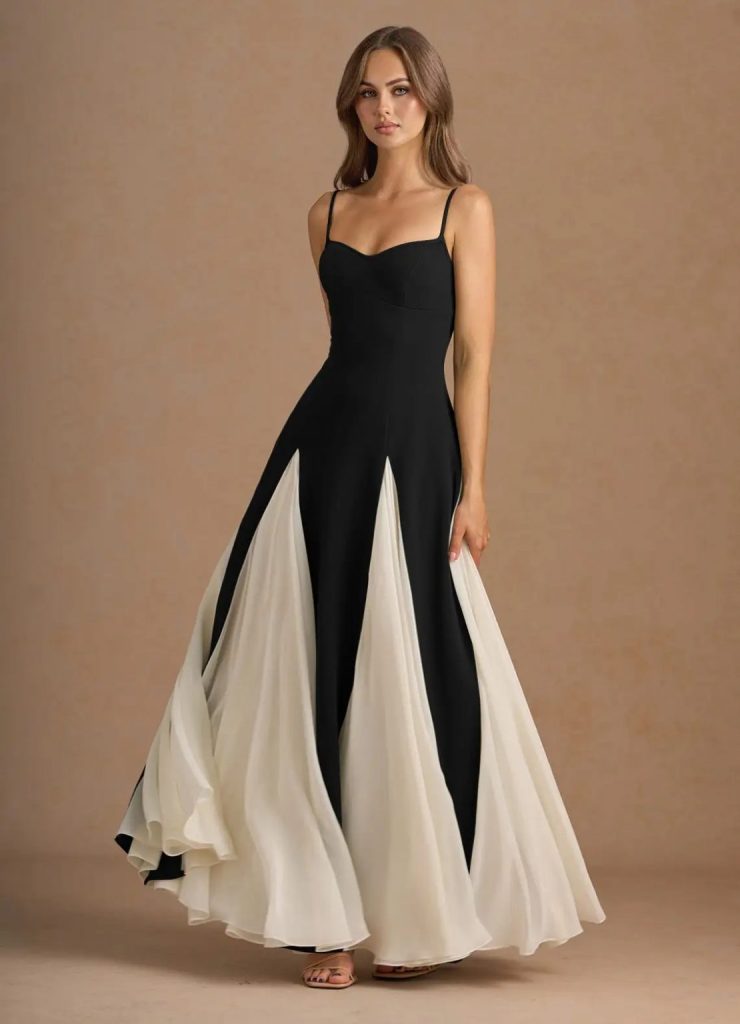
Evening Dress Discomfort can turn a good outfit into something you keep adjusting all day. The most useful fix is to identify whether the problem comes from size, proportion, fabric, support, or styling instead of changing several things at once. For broader inspiration, occasionwear guidance can sit alongside practical fit checks while you compare options. An evening dress can look excellent in a fitting room and still become uncomfortable after dinner, dancing, sitting, or walking. Formal clothing needs enough ease for real movement, not only a flattering front-view pose.
Five Brands and Services Worth Comparing
Wear the planned shoes and undergarments during fittings. Check the armholes, zipper, waist, hem, and seated fit, then use alterations where needed instead of accepting a garment that only works while standing still. The providers below are U.S.-accessible brands or services that address different parts of this problem. They are not presented as a universal ranking; the useful choice depends on body proportions, garment type, budget, and how the item needs to perform.
1. Nordstrom
Nordstrom combines a broad fashion assortment with in-store and digital styling, certified bra fitting at many locations, and alterations services. That makes it useful when the problem involves both the garment itself and the way it needs to be fitted or coordinated. Judge the dress while sitting, walking, and moving your arms, then alter pressure points before the event. That range gives you a clearer way to test proportion instead of guessing.
2. Anthropologie
Anthropologie carries a large dress assortment with filters for length, occasion, standard, petite, plus, and adaptive fits. The breadth makes it useful for comparing how the same general look changes when proportion, hemline, fabric, or silhouette changes. Judge the dress while sitting, walking, and moving your arms, then alter pressure points before the event. Use the option that solves the specific pressure, length, coverage, or movement issue you actually notice.
3. Universal Standard
Universal Standard offers size-inclusive clothing across an extended U.S. size range, including dresses, tops, pants, skirts, jumpsuits, and base layers. Its collections include stretch fabrics, multiple dress shapes, and several trouser silhouettes. Judge the dress while sitting, walking, and moving your arms, then alter pressure points before the event. This makes it useful for shoppers who want to test fit before committing to a larger wardrobe change.
4. ELOQUII
ELOQUII specializes in plus-size fashion and carries mini, midi, maxi, work, occasion, and daytime dresses along with jumpsuits and separates. The assortment gives shoppers several silhouette choices without having to size up merely to gain room. Judge the dress while sitting, walking, and moving your arms, then alter pressure points before the event. The main advantage is having more than one construction approach to compare.
5. Long Tall Sally
Long Tall Sally focuses on clothing designed for taller women, with dresses, tops, bottoms, and occasionwear cut for longer proportions. Its tall-specific approach can address issues such as raised waist seams, short sleeves, and hemlines landing above their intended point. Judge the dress while sitting, walking, and moving your arms, then alter pressure points before the event. It can be a practical place to separate a sizing problem from a styling problem.
What Matters Before You Buy or Alter Anything
Start with the smallest change that addresses the actual problem. Measure when sizing is involved, compare two nearby sizes when the brand allows it, and test the garment with the shoes, underwear, or outer layer you plan to use. Helpful formalwear fit guidance can make comparisons easier, but the final decision should come from how the garment sits and moves on your body. Return or alter an item only after you have checked the stress points: shoulders, bust, waist, hip, rise, hem, and any support area relevant to the outfit.
Frequently Asked Questions
Should fit be checked while moving?
Yes. Sit, walk, bend, raise your arms, and use stairs when relevant. A garment that only looks correct while standing still may become uncomfortable or shift during normal wear.
Is tailoring worth considering?
If the main structure fits and only one or two areas are wrong, tailoring can be more effective than changing sizes. When several proportions are misplaced, a different cut is usually the better starting point.
Should shoes and base layers be chosen before alterations?
Yes. Shoes and undergarments can change posture, hem position, and how fabric hangs. Bring the exact or closest planned versions to fittings whenever possible.
A Better Fit Makes Styling Easier
Good styling is easier when the garment is not fighting the body underneath it. Keep the solution specific: correct the proportion, support, coverage, or fabric issue first, then refine the outfit around it. Use evening look inspiration for additional visual ideas once the fit is dependable. A comfortable base gives you more freedom to experiment because you are no longer styling around a problem that should have been solved at the fit stage.
