

Stubborn Bathroom Mold – Reduce Moisture and Improve Ventilation
Stubborn bathroom mold usually keeps returning because the moisture problem behind it hasn’t changed. Cleaning visible marks may improve the surface temporarily, but poor airflow, lingering condensation, plumbing leaks, and constantly damp materials can recreate the same conditions.
The lasting fix begins with controlling water and humidity, then cleaning appropriate surfaces safely.
Work Out Where the Moisture Comes From
Bathrooms naturally produce moisture during showers and baths, but surfaces shouldn’t remain wet for long periods. Look for condensation on windows, ceilings, grout, walls, and around fixtures.
Also check for slow plumbing leaks. Moisture under a sink, behind a toilet, around a shower enclosure, or beneath damaged sealant may continue even when nobody is using the bathroom.
People looking through practical household reading may encounter many cleaning ideas, but the most useful starting point is identifying why a particular bathroom stays damp.
Improve Airflow After Every Shower
An exhaust fan works best when it actually moves humid air outdoors and is used long enough to clear lingering moisture. A clogged grille, weak fan, or blocked duct can reduce performance.
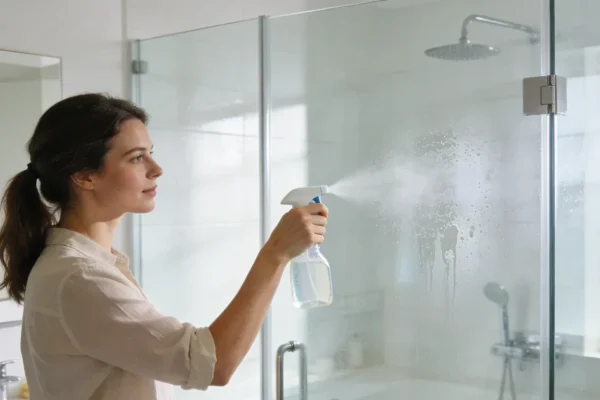
Where appropriate, opening a window or leaving the bathroom door open after use can improve air circulation. Wiping heavy condensation from shower walls and glass also removes water before it evaporates into the room.
| Moisture Sign | Possible Cause | Useful Check |
|---|---|---|
| Wet ceiling | Steam buildup | Inspect ventilation |
| Damp cabinet | Plumbing leak | Check pipes and joints |
| Moldy grout | Persistent surface moisture | Improve drying |
| Peeling paint | Repeated dampness | Find moisture source |
Clean Small Surface Areas Carefully
Different surfaces tolerate different cleaning methods. Tile and other hard, nonporous materials are generally easier to clean than porous drywall, damaged caulk, ceiling material, or untreated wood.
Before trying advice found through general browsing streams, check the cleaning product’s label and the surface manufacturer’s instructions. Never mix household cleaning chemicals unless the labels specifically state that the combination is safe.
Wear appropriate protection when a product label calls for it and ventilate the room during cleaning.
Repair Materials That Stay Wet
Repeated mold on damaged caulk, crumbling grout, soft drywall, or swollen trim may signal a material problem rather than a simple cleaning problem. Porous materials can sometimes remain damp beneath the visible surface.
Repair leaks before replacing finishes. Otherwise, new caulk, paint, or wall material can quickly develop the same problem.
Household daily information sources can provide useful maintenance ideas, but no cleaning technique compensates for water continually entering a wall, floor, or cabinet.
Where Mold Removal Efforts Often Fail
The most common failure is treating discoloration as the entire problem. Scrubbing every few weeks won’t solve condensation, poor extraction, or hidden leakage.
Painting directly over recurring mold can also hide evidence without removing the moisture source. Another mistake is assuming a strong-smelling cleaner must be more effective. Surface compatibility, correct use, ventilation, and thorough drying matter more than an aggressive odor.
Large, persistent, or unexplained mold growth may require professional assessment.
Frequently Asked Questions
Why does bathroom mold keep coming back after cleaning?
Recurring growth usually means the environment remains damp enough for it to return. Review ventilation, condensation, leaks, drying time, damaged sealant, and moisture trapped in porous materials.
Can opening a bathroom window prevent mold?
A window can help reduce humidity when outdoor conditions allow good airflow, but it may not replace an effective exhaust system. The main goal is helping wet surfaces and humid air dry quickly.
Should moldy bathroom caulk be replaced?
If caulk remains badly stained, damaged, loose, or mold keeps returning within it, replacement may be appropriate after the moisture source is controlled. New caulk won’t solve an ongoing leak or ventilation problem.
Keep the Bathroom Dry Between Uses
Cleaning matters, but moisture control determines whether the result lasts. Improve ventilation, dry wet surfaces, repair leaks, and replace damaged materials only after the source of dampness is understood.
A bathroom that dries efficiently after use gives recurring mold far less opportunity to return.
You may also like


Leave a Reply