
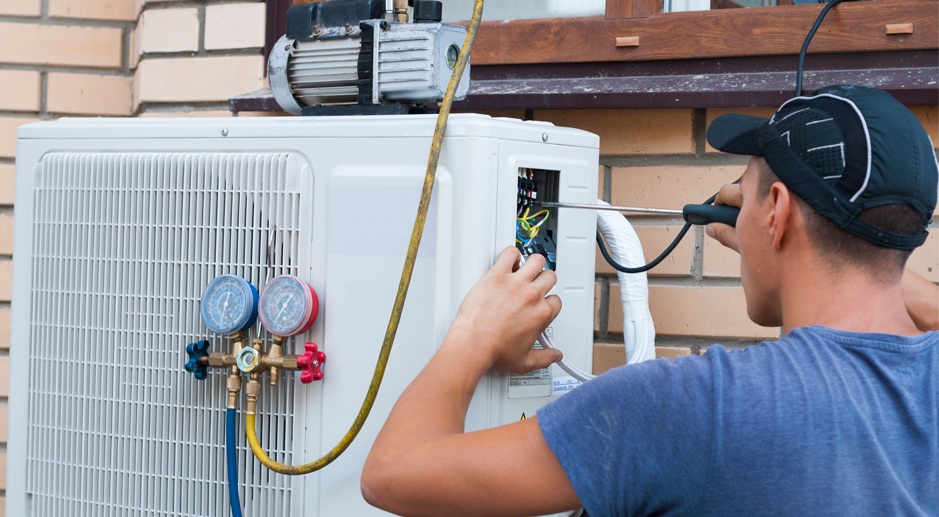
Advanced HVAC Maintenance and Performance in Lock Haven
In the heating and cooling industry, creating comfort indoors efficiently is only possible with well-organized practices, as sustainable flow rate levels can help limit energy consumption. Today’s property owners are managing their systems with greater focus on preventive care, smart controls, and seasonal planning. In regions where temperature variations are common, HVAC systems in Lock Haven, PA, ensure that the indoor environment remains undisturbed and utility costs remain in check. Regular system evaluations also help maintain consistent performance and reduce long-term maintenance costs.
System Efficiency Practices
Routine attention to airflow and filtration practices, along with temperature regulation as systems ramp up and cool down, helps reduce stress on equipment, leading to the continued maintenance of system efficiency.
1. Regular Filter Management: Consider that clean filters result in good airflow and better indoor air quality, both for residential spaces as well as commercial spaces.
a. Change filters every 30–60 days according to usage rates.
b. Check the filter housing for dust that can affect airflow efficiency.
c. Implement high-efficiency filters for enhanced particulate control.
2. Thermostat Optimization: The smart thermostat adjusts the indoor temperature to reduce unnecessary energy consumption.
a. Program temperature schedules synced with daily occupancy.
b. Refrain from large temperature fluctuations that create system loading.
c. Use energy-saving modes during off-peak times.
Seasonal Maintenance Approach
Preparing HVAC systems for seasonal demands helps with smooth operations during temperature transitions and peak seasons.
1. Pre-Season Inspection: Early inspection also ensures that we are aware of any performance issues prior to the onset of extreme weather conditions.
a. Verify Refrigerant Levels and Proper System Pressure.
b. Inspect Ducts for Leaks That Cause Wasteful Airflow.
c. Keep coils clean so heat exchange is maximized.
2. Energy Consumption Monitoring: Tracking energy usage gives visibility into system performance trends over time.
a. Monitor monthly utility bills for unusual increases.
b. Look for optimization opportunities by comparing seasonal usage patterns.
c. Optimize system settings based on consumption data.
Professional Service Benefits
Having professionals to service your heating and cooling system, especially if it is complex in nature, increases reliability and longevity.
1. Technical Diagnostics: Advanced diagnostics enable technicians to pinpoint hidden inefficiencies in the system.
a. Detect airflow irregularities using diagnostic equipment.
b. Pinpoint electrical failures that limit system reliability.
c. Test compressor performance under load conditions.
2. Long-Term Cost Control: Long-term operational costs are reduced as a result of ongoing maintenance.
a. Book periodic servicing to avert heavy repairs.
b. Widen durability using the preventive servicing guide.
c. Make timely inspections to reduce unplanned shutdowns.
Conclusion
A good combination of regular maintenance, smart utilization, and professional servicing can ensure optimal performance of HVAC all year round. Early action or preventive care reduces strain on the system and produces airflow stability. With energy savings and reliable operation during seasonal changes, services like HVAC in Lock Haven, PA, cement its purpose. Well-established providers like Action Heating & Air Conditioning offer regular service checks and property to ensure system longevity. Regular attention guarantees operational efficiency, reduced maintenance, and fewer failures at the end-user level for years to come.
You may also like



Leave a Reply